







Automatic door systems have become an important part of modern architecture and an indispensable part of our daily lives. They provide convenience, security and energy efficiency to a variety of commercial and public properties.
This comprehensive guide will discuss the types of automatic door systems, how they work, and the sensors involved in their operation. We'll also explore the benefits of automated gate systems and how modern access control and video intercom systems can provide enhanced security solutions for commercial properties.
Our Product

Fast Aluminum Industrial Rolling Shutter Door

High Speed Industrial Rolling Door

Swiss Type Telescopic Sliding Door Operator

Shop Garage Door Openers

Automatic Sliding Door Operator

infrared switch with a panel

Swing Door Operator With Access Control

Intelligent Residential Automatic Swing Door Operator
What is an automatic door system
Automatic door systems are electromechanical devices that open and close doors in a hands-free manner, providing convenience, accessibility and increased security to commercial and residential buildings. These systems are commonly found in a variety of environments, including airports, hospitals, shopping malls, hotels and office buildings.
Designed to optimize pedestrian traffic flow and enhance the overall user experience, automatic doors are equipped with a variety of sensors and mechanisms that work together to detect approaching people, allowing the door to open smoothly and then close safely behind them. In addition to practicality, automatic door systems offer many benefits, such as energy efficiency, improved hygiene, and enhanced security.
There are several types of automatic door systems on the market, each utilizing different mechanisms and sensors to meet the specific needs of a building or facility. Understanding the various types of automatic door systems and the technology behind them will help you make an informed decision when choosing the best option for your property.
Types of automatic door systems
Automatic doors are available in different styles and configurations to meet specific applications and building requirements. Here are some common types of automatic door systems:
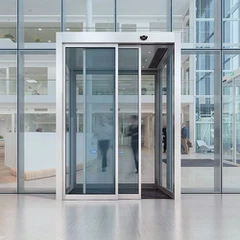
Sliding Doors: These doors are commonly found in commercial properties such as retail stores, airports, and hotels. Automatic sliding doors slide along tracks and usually consist of two or more panels that slide past each other. They can be single or double door automatic sliding doors and can use various sensors such as infrared, motion or pressure sensors.
Swing Doors: Swing doors are suitable for small retail businesses, schools, universities and hospitals. These doors are designed to open and close by rotating inward or outward. They can be operated using push buttons, access control systems or sensors such as infrared or motion detectors.
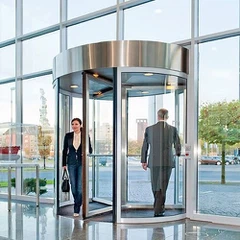
Revolving Doors: Revolving doors are commonly used in high traffic areas such as banks, hotels and corporate buildings. They consist of multiple door panels that rotate around a central axis, allowing people to enter and exit simultaneously. This type of door system can operate manually or automatically and can use sensors such as infrared or light beams to detect obstacles and prevent accidents.
Bi-fold doors: These doors are ideal for locations with limited space and are commonly found in shopping malls, commercial buildings and hotels. Bi-fold doors consist of two or more panels that fold against each other when opened. They can operate using various sensors, such as infrared, motion or pressure sensors.
Telescopic Doors: Telescopic doors are a variation of automatic sliding doors and are used when a wider door opening is required. They consist of multiple sliding panels that retract into smaller spaces to provide larger openings. Telescopic doors can be operated using infrared, motion or pressure sensors.
How automatic door systems work
Automatic door systems are a combination of mechanical, electrical and electronic components that work together to provide seamless, convenient access. A typical automatic door system includes door controllers, sensors and control systems. The door operator opens and closes the door, while the sensor detects the presence of a person or object and triggers the door to open or close. Control systems manage overall operations and may include features such as timers, access control systems, and security features.
Sensors in automatic door systems
Sensors play a vital role in the operation of automatic door systems. They detect the presence of a person or object, triggering the door to open or close. There are many types of sensors used in automatic door systems, including:
Infrared Sensor: Infrared sensors detect the presence of a person or object by measuring the infrared radiation emitted by the person or object. When an object or person is detected, the sensor sends a signal to the door operator to open or close the door.
Motion Sensor: Motion sensors, such as Doppler radar or ultrasonic sensors, detect the movement of people or objects. When motion is detected, the sensor sends a signal to the door operator to open or close the door.
Pressure sensors: Pressure sensors, such as pressure mats or floor-mounted sensors, detect the weight of a person or object. When pressure is applied, the sensor sends a signal to the door operator to open or close the door.
Beam Sensor: Also known as a photoelectric sensor, a beam sensor uses a beam of light to detect the presence of a person or object. When the beam is blocked, the sensor sends a signal to the door operator to open or close the door.
Advantages of automatic door systems
Automatic door systems offer a variety of advantages to commercial and public spaces, such as:
convenient
Automatic doors provide easy access for people carrying luggage, strollers or using walkers, making them ideal for airports, hotels, shopping malls and other high-traffic areas.
energy efficiency
By opening and closing quickly, automatic doors help keep indoor temperatures constant, reducing heating and cooling costs.
health
Automatic doors require no physical contact with the door handle, making them suitable for health care facilities and food processing plants where hygiene is a concern.
Accessibility
Automatic doors comply with the requirements of the Americans with Disabilities Act (ADA) and similar legislation, ensuring that public buildings are accessible to people with disabilities.


