



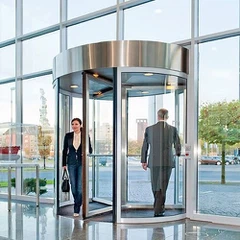

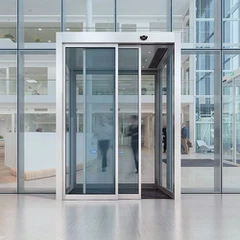




The principle of automatic barriers is an innovative technology designed to enhance access control and security at various entry and exit points. These barriers are typically used in areas where there is a need to restrict unauthorized vehicles from entering specific areas. These barriers work based on high-tech mechanisms and provide a reliable, efficient, and convenient solution to manage traffic flow.
One of the main benefits of automatic barriers is their ability to be integrated with various access control systems, including entry cards, key fobs, or biometric identification. This integration ensures that only authorized personnel gain access to restricted areas, thereby enhancing security and reducing the risk of unauthorized access.
Automatic barriers come in various designs and sizes. They can be tailored to meet specific security needs, such as heavy-duty barriers for high-security facilities or lightweight barriers for pedestrian crossings. These barriers have become increasingly popular in public places such as shopping malls, hospitals, and airports due to their versatility and efficiency.
Another advantage of automatic barriers is their easy installation and maintenance. They are straightforward to install and require minimal maintenance, making them a cost-effective solution for access control management. Additionally, the use of automatic barriers minimizes the need for human intervention, which reduces the risk of errors and enhances efficiency.
In conclusion, the principle of automatic barriers is a significant breakthrough in access control technology. With its ability to enhance security, convenience, and efficiency, this technology has become a go-to solution for traffic control management in many public and private institutions.


